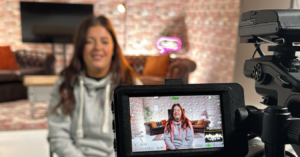
From the first digger arriving on site to the final touches, every construction project has a story worth telling. So, tell it!
It might be another day on site to your team, but seeing the journey your builds took to get where they are is valuable content. You’d be ahead of the competition too, as the vast majority of construction firms don’t film their projects either.
Learning how to document a construction project isn’t just about keeping a visual record of what’s happening on site. It’s an opportunity to showcase your expertise, demonstrate the quality of your work, and create a library of marketing content that can help you win vital contracts.
But where do you even start? And how can professional construction filming turn months of hard work into marketing gold?
Why is Documenting Construction Progress So Important?
Because the finished building only tells half the story.
A completed development might look fantastic, but it doesn’t necessarily show the planning, technical nous, specialist installations and hard work that went into bringing it to life.
That’s where construction project documentation comes in. By documenting construction progress, you give potential clients a behind-the-scenes look at what you’re capable of. Show the people, processes, structure and craftsmanship that make your work stand out, rather than just asking people to take your word for it.
Filming your construction projects is also a valuable way to keep clients and stakeholders informed, creating a record of key milestones and giving your marketing team a ready supply of genuine project content.
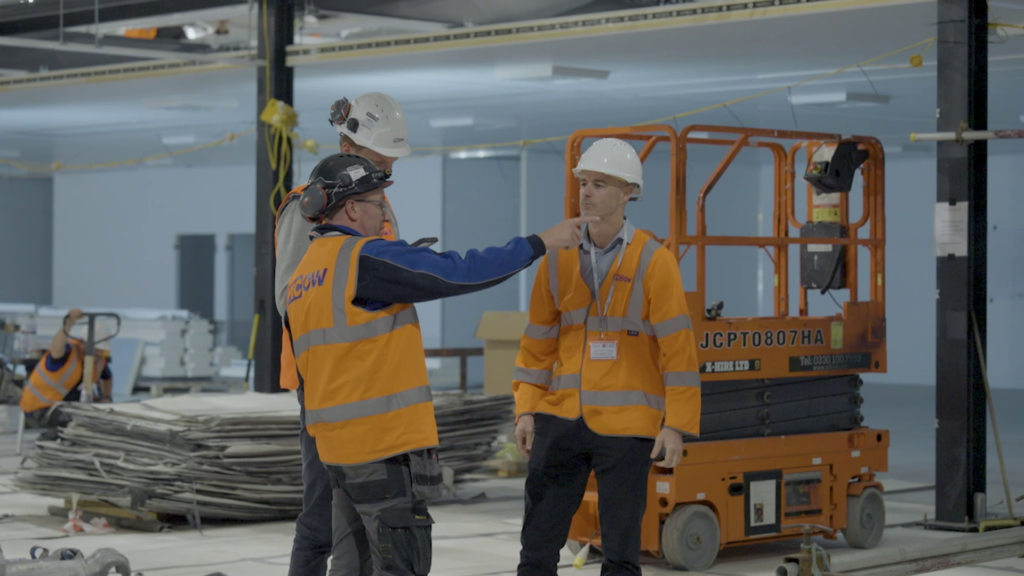
What Should You Capture When Documenting a Construction Project?
Ideally, you want to capture the full journey, not just the bits that look impressive at the end.
The exact filming schedule will depend on the project, but some key stages worth considering are:
- Groundworks and site preparation: Capture the empty site, clearance, excavation and initial preparations. This gives you a brilliant starting point for showing the scale of the transformation.
- Foundations and structural work: Record foundations, steelwork, frameworks, concrete pours and the development of core structures.
- Installation and specialist trades: Show the skilled teams, equipment and technical processes involved in bringing the project together.
- Interior and exterior finishes: Bring your audience closer to the finer details, from cladding and roofing to fixtures and fittings.
- Completion and handover: Don’t forget the big reveal! Film finished spaces, client reactions and the people responsible for delivering them.
Top tip: Filming your clients reacting positively to your builds is one thing. But if you can get them giving a positive testimonial for your brand or project too, that’s gold.
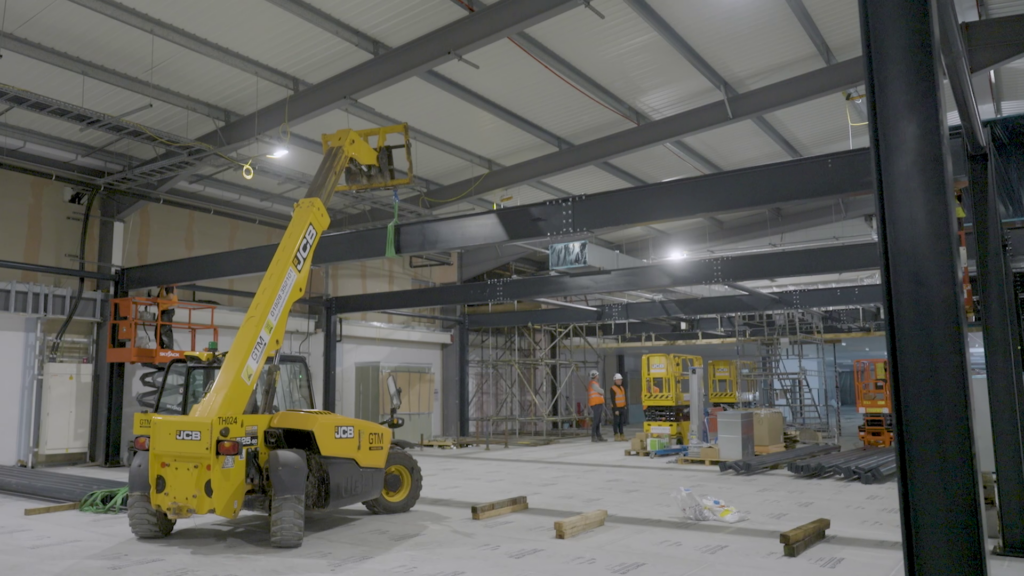
How Can Construction Progress Videos Tell the Story of a Build?
Rather than relying on a collection of disconnected clips, construction project progress videos show how your work develops over time. Returning to the same camera positions, capturing key milestones, and recording activity at different stages helps create a consistent story.
This is particularly useful for work that eventually disappears from view. Things like freshly plastered walls and ceilings, first-fix electrics and plumbing installations are often covered up, and you can’t always go back and film what’s underneath.
Construction time-lapse video can be super valuable for storytelling, as it condenses weeks or months (even years) of activity into a short, engaging film. Show the scale of a development while giving viewers a sense of just how much work has gone into the finished result.
Regular construction progress videos can also be useful for keeping stakeholders informed, drafting project presentations and creating marketing campaigns.
When Should You Look to Bring a Video Production Company into Your Construction Project?
As early as possible. Ideally before work begins. Although it’s tempting to wait until there’s something impressive to film, by then you could’ve missed some of the most important stages.
Bringing a production team in during the planning phase gives everyone time to agree:
- Which project milestones to capture.
- The best filming positions and cameras.
- How frequently the team should visit the site.
- The areas, installations or activities that need dedicated coverage.
- Permissions, inductions and safety arrangements are required.
- What the finished videos need to achieve.
At Reels In Motion, we work with your team to develop a filming plan around the project schedule. Capturing the important moments without getting in the way of the people delivering the build.

What Are the Biggest Challenges When Filming a Live Construction Site?
Construction sites aren’t exactly film studios. They’re busy, unpredictable environments where safety and keeping the project moving should always come first.
Some of the biggest challenges here include:
- Health and safety: Filming crews need to understand site rules, complete relevant inductions and assessments, wear appropriate PPE and follow the required method statements.
- Changing site conditions: Access routes, equipment and working areas can change quickly. Filming plans need enough flexibility to adapt.
- Weather and lighting: Outdoor filming is at the mercy of the British weather. Scheduling, equipment choices and alternative filming dates can all help.
- Coordinating with site teams: The production crew needs to know what’s happening, when key activities are taking place and where filming can happen safely.
The key to getting it right is proper preparation and communication. That’s why we work with your team before filming begins, identifying suitable locations, understanding site requirements and planning around construction activity.
The camera crew should fit around the project – not the other way round.
How Can Installation and Progress Videos Showcase Project Quality?
By showing people what words and photographs struggle to communicate.
A wide shot can reveal the scale of development, but close-up footage can show the expertise, precision and skill behind it.
A construction installation video, for example, can demonstrate how a specialist product or system is fitted, highlight the expertise of the installation team and show the quality of the finished application. Progress footage reveals the complexity of a project, the coordination between different trades and the sheer amount of graft involved.
Perfect for when you’re trying to demonstrate your capabilities to potential clients. Instead of telling them you deliver high standards, show them the people and processes making those standards possible.
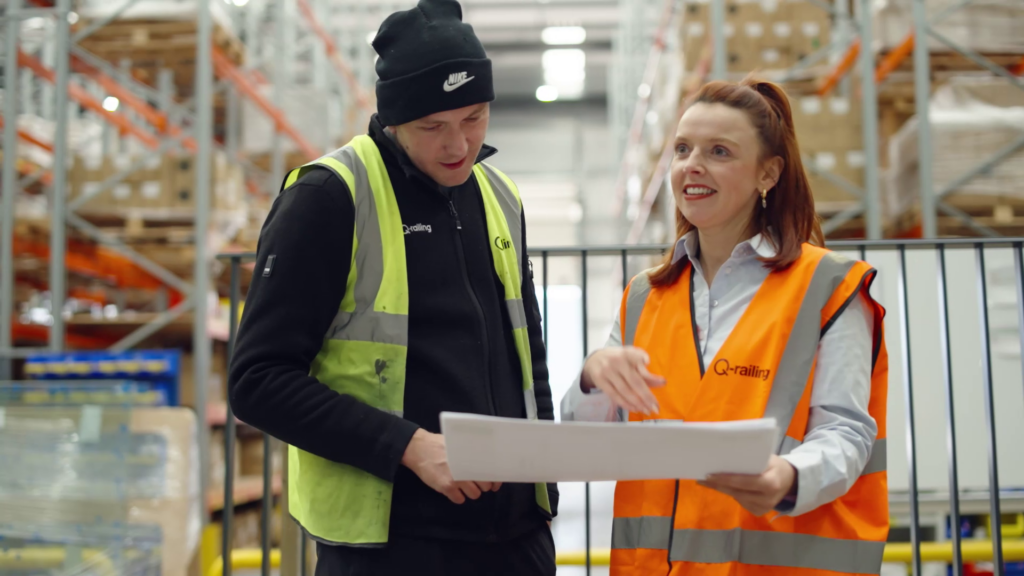
What Types of Content Can You Create from a Single Construction Project?
One well-planned filming programme can produce a whole library of marketing assets, each with a different job.
Time-Lapse Construction Videos
Time-lapse footage is a brilliant way to condense lengthy processes into short, engaging films.
We used this approach on Steelshield’s BBC Radio 1’s Big Weekend installation, combining time-lapse, drone footage and cinematic B-roll to capture the installation of security barriers.
Construction Project Drone Footage
Some projects are just too big to appreciate from ground level. That’s when you’ve got to get up high, like really high.
Construction drone footage gives a wider perspective of your site. Showing the layout, scale and location of the development in a way that traditional filming can’t always achieve.
The £80m PICOW Headbolt Lane Railway Station installation project was so vast that we documented it from start to finish, using aerial footage alongside on-site filming to show the scale of the development as well as PICOW’s contribution.
Installation / Product Demo Videos
Sometimes, the most interesting part of a project is the detail. Close-up filming can explain a technical or intricate installation process super clearly.
For example, we filmed the application of Mapei’s Ultralite adhesive coverage beneath tile installations using this approach, while also capturing the complete process from start to finish.
This helps viewers understand how the product performs, while giving Mapei a useful marketing, sales and training asset.
What About Construction Videos for Social Media?
You don’t have to save all your best footage for one big project film.
Why not share progress on your development on social channels. On large residential build projects, this can be a brilliant way to help the local community stay connected and up-to-date with the works.
The Steelshield project we mentioned earlier also saw us craft a promotional film, an installation case study and two shorter social media edits. So the client had different content for several audiences and marketing channels, all from the one project.
Turn Completed Project Films into Powerful Case Studies
A good project case study brings everything together – the brief, the work, the people behind it and the finished result.
For example, our PICOW Astemo project case study followed a turnkey engineering project at an automotive parts production facility in Bolton. Capturing the build from construction and installation through to the completed facility.
Combining drone footage, cinematic B-roll, and interviews with PICOW’s team and the end client created a film that demonstrates both the finished project and the expertise behind its delivery.
Where to Start with Documenting Your Construction Project
It’s important to understand that you don’t need to film every single thing that happens on site. Think about what a prospective client would want to see if they were considering working with your business.
- Which stages demonstrate your expertise?
- Are there specialist installations worth showcasing?
- Would aerial footage help communicate the scale of the work?
- How could the finished footage support your website, social media, tenders or future presentations?
Once you’ve answered those questions, bring a video production team into the conversation early.
You probably know where we’re going with this…
Ready to Document Your Next Construction Project?
Every construction project has a story worth telling. Reels In Motion can help you capture the people, processes, installations and progress that make your work stand out.
Whether you’re looking for construction time-lapse, regular progress filming, drone footage or a professional project film, we’ll help you turn your hard work into content that showcases what your business can do.
Explore our Construction Video Production services and find out more about how we can help you make more of every project.